24 Hour Towing Hamilton Ontario
24/7 Towing in Hamilton ON
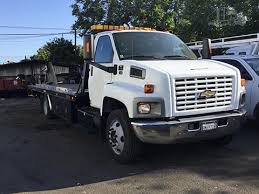
Twenty four hours a day, our tow trucks are ready to respond as quickly as we can for emergency roadside assistance and everything else from flat tire repair to fuel delivery and car jump start boosting. We can tow your vehicle–whether it’s a truck, van, motorcycle, bus or other automobile–with our dedicated 24 hour towing Hamilton services. From Burlington to Brantford, ON, CA, Hamilton Tow Truck Service is here for your 24 HR roadside service. Contact us now for a 24 7 recovery service, a 24 hour tire change service, a 24 hour lockout service or a general cheap 24 HR towing service in the City of Hamilton, ON.

Hamilton Towing
The Best Late Night Towing and Overnight Tow Truck Services in Hamilton
A vehicle breakdown at 2 AM creates a different set of problems than one that happens during regular business hours. While daytime traffic is usually heavier, late night towing in Hamilton can involve reduced visibility, fewer open repair facilities, unattended parking areas, and limited access to commercial properties. At Hamilton Tow Truck Service, we provide 24-hour towing because vehicle breakdowns don't follow business hours. Our goal is to help our customers and community arrange practical vehicle transportation regardless of when their car becomes disabled.
One consideration that drivers often overlook is what happens after the tow truck reaches its destination. A repair shop might be closed, but the vehicle still needs an authorized place to be delivered. Before arranging overnight towing, it's worth checking whether the receiving business has an after-hours key drop, accessible parking, or specific instructions for vehicle deliveries. Having this information ready can help prevent an unsuccessful drop-off, unnecessary additional travel, or the need to arrange another destination.
Late night breakdowns can also leave drivers without access to services they would normally rely on during the day. If your vehicle becomes disabled after work, during an overnight shift, or while returning home from an event, consider where the vehicle needs to be the following morning. A repair facility near your workplace might be convenient during the day but less practical if its property is inaccessible overnight. Choosing a destination based on both immediate access and your next day's transportation needs can make the situation easier to manage.
Our 24-hour towing service in Hamilton is available for drivers who need assistance outside normal operating hours, whether the breakdown occurs late in the evening, shortly after midnight, or before the morning commute. When you contact us, providing your vehicle's location, mechanical condition, and preferred destination helps us assess the job and explain the available towing arrangements.
If you're in need of late night heavy duty towing, don't fret, that is our specialty!
Get Service Now
When it comes time to book a towing in the wee hours of the night, our friendly and professional staff will be there with a tow truck pronto! Anywhere in the Hamilton area, 24/7 call (289) 203-5183.
Popular 24 Hour Services
We'll transport your disabled vehicle to a repair shop, gas station, or other location when it can't be driven safely.
We provide assistance for dead batteries, including testing, jumping, or replacing the battery on-site to get your vehicle running again.
Our automotive locksmith services unlock your car if keys are lost, stolen, or locked inside.
We deliver gas, oil, and diesel to your vehicle's location for affordable, competitive rates.
How Our 24 Hour Towing Service Can Help
Whether you're stranded on the road, stuck in a ditch on the highway, got a flat tire in the center of town, or simply can't find your car keys, the diligent staff and operators at Hamilton Tow Truck Service stay ready with hands on deck 24/7 to ensure everyone gets the towing and roadside assistance they need.
24 Hour Tow Truck Cost, Towing Service Rates In Hamilton ON and Our Towing Process
Breakdowns in Hamilton never seem to happen at convenient times, which is why our 24 hour towing services are so important across busy routes like the QEW, Highway 403, and downtown Hamilton. Whether your vehicle won’t start in a parking lot, you’ve been in a collision, or your car has mechanical issues late at night, a professional tow operator can dispatch the right truck for your situation and safely transport your vehicle to a repair shop, dealership, your home, or any other location necessary. Our process begins with a quick phone assessment so the operator knows whether a simple wheel-lift, flatbed, or heavy-duty tow truck is needed. Flatbeds are often recommended for AWD vehicles, lowered cars, luxury vehicles, or highly damaged vehicles because they keep all four wheels off the road during transport.
For pricing in Hamilton our standard towing services generally range between $85 to $175 for a regular short distance tow, while flatbed towing often falls between roughly $100 to $200 depending on the vehicle plus an additional per-kilometre rate. More difficult recoveries involving winching, accident extraction, underground parking garages, or larger heavy duty vehicles can increase the final cost. We will always explain the towing process before hookup, secure the vehicle properly using wheel straps or tow equipment, and help ensure the vehicle is transported safely without additional damage, that is out promise! To book your tow today call (289) 203-5183 or hit the button below.
FAQs For 24HR Towing Service in Hamilton ON
What information should I have ready when I call for a late night tow?
Providing your exact location, vehicle make and model, the reason you need a tow, and your desired destination helps us dispatch the right truck immediately. If you're on Highway 403, the QEW, or the Lincoln M. Alexander Parkway, letting us know the closest exit or landmark can also reduce response times.
How can overnight lane closures, construction detours, and restricted highway access change the route a tow truck must take to reach a stranded driver in Hamilton?
Overnight highway construction can make the shortest geographical route to a breakdown completely unusable. On Hamilton-area highways such as the QEW and Highway 403, maintenance crews may close individual lanes, entrance ramps, exit ramps, or entire sections of roadway during lower-traffic hours.
For our dispatch team, the important distinction is between the distance to your vehicle and the route that remains legally accessible. A tow truck may need to approach from another interchange, travel past your location to reach an available turnaround, or use municipal roads to bypass a closed ramp.
We also consider whether the closure affects the actual pickup area. A vehicle stopped near an active construction zone may require additional coordination because cones, barriers, narrowed lanes, and temporary traffic patterns can limit where a tow truck can position itself.
When calling us overnight, mention any visible construction signs, lane closures, or barriers near your vehicle. This information helps us assess access before dispatching.
Why can a tow truck's approach direction matter when responding to a breakdown on a divided highway after midnight?
On a divided highway, the tow truck must reach the correct carriageway, not simply the correct geographic coordinates.
For example, a vehicle stopped on Highway 403 westbound may be physically close to a tow truck travelling eastbound, but a concrete median prevents the operator from crossing directly to it. The truck must use an appropriate interchange to approach from the correct direction.
The vehicle's position relative to the shoulder also matters. A breakdown beside a narrow shoulder, median barrier, or merging lane can restrict the available working space.
At night, these details become especially important because drivers approaching the scene have less time to recognize a stationary vehicle.
We use the direction of travel, nearest interchange, and available stopping area to help determine the safest practical approach. Drivers should never cross highway lanes or attempt to move their vehicle into a dangerous position simply to make pickup easier.
How can overnight road maintenance and temporary ramp closures affect towing access around Hamilton's highway interchanges?
Interchanges are particularly sensitive to overnight maintenance because a single closed ramp can disconnect two otherwise accessible roads.
Around the QEW, Highway 403, and the Lincoln M. Alexander Parkway, a ramp closure can force a tow truck to approach through a different interchange or travel along a municipal road before re-entering the highway.
This can also affect where a recovered vehicle can be transported. The route that was available when the tow truck arrived may not remain available for the return journey.
Another complication is temporary traffic control. Construction vehicles, reduced lane widths, and altered shoulder access may leave insufficient room for normal roadside loading.
Our approach is to distinguish ordinary route changes from situations where the pickup itself may require coordination with road authorities or traffic-control personnel. An active closure is not permission to enter a restricted work zone.
What operational factors determine whether a disabled vehicle can be loaded immediately at night or whether the operator must first arrange a safer recovery position?
The first consideration is whether the operator can work without creating an unacceptable risk for passing traffic, the customer, or the recovery equipment.
Several variables affect that assessment:
- The width and stability of the shoulder or parking area.
- The vehicle's distance from moving traffic.
- Whether the vehicle is on an incline or uneven surface.
- Visibility around curves, hills, and highway ramps.
- The condition of the vehicle's wheels, steering, and suspension.
- Whether there is enough room to position and load the tow truck.
A vehicle stopped on a wide, level parking area presents a different situation from one partially blocking a highway lane.
When the initial location is unsuitable for loading, the operator may need to coordinate an appropriate recovery arrangement rather than attempting a normal hookup immediately.
We assess these conditions before proceeding. A driver's safety and the stability of the scene take priority over completing the hookup quickly.
How can poor nighttime visibility change the positioning of a recovery vehicle, work lighting, and loading equipment at a roadside pickup?
Nighttime towing involves two separate visibility problems: allowing approaching motorists to recognize the recovery scene and giving the operator enough light to inspect the disabled vehicle.
Headlights and work lights can improve visibility, but their positioning matters. Glare directed toward approaching traffic can reduce a driver's ability to distinguish people, vehicles, and roadway boundaries.
The tow truck's position must also account for traffic flow, available shoulder space, and the path needed to load the vehicle.
Lighting is particularly useful when inspecting attachment points, damaged suspension components, low-clearance bodywork, and the area beneath a vehicle.
Rain, fog, and reflective pavement can make the scene more difficult to interpret because light scatters or reflects off wet surfaces.
Our operators must consider the entire working environment, not just whether the disabled vehicle is illuminated. On high-risk roadways, additional traffic-control assistance may be necessary.
What happens when a vehicle needs to be towed to a Hamilton repair facility or mechanic after they have closed?
A repair shop being closed does not necessarily mean a vehicle can be left there overnight.
Some facilities have accessible exterior parking and designated after-hours key-drop arrangements. Others have locked gates, restricted lots, or policies that prohibit unattended vehicle deliveries.
Before an overnight tow, the receiving location should be checked for after-hours acceptance. The important details include where the vehicle may be parked, whether the lot remains accessible, and how the keys will be transferred.
A vehicle left outside an unauthorized entrance may obstruct other businesses, violate property restrictions, or create security concerns.
If the selected repair facility cannot receive the vehicle, we can discuss an alternative destination or another suitable arrangement with the customer.
The objective is to avoid completing the drive only to discover that the vehicle cannot be delivered to the intended location.
How should an overnight tow be coordinated when a repair shop has a locked gate, restricted vehicle access, or no designated after-hours drop-off area?
The key distinction is between a repair facility's street address and its actual vehicle-receiving access.
A repair shop may appear accessible on a map while its service yard is enclosed behind a locked gate. In other cases, the public parking lot remains open but the business does not authorize vehicles to be left there overnight.
Before transporting the vehicle, useful information includes the facility's after-hours instructions, permitted parking location, gate access requirements, and whether someone must be present to accept delivery.
We also need to know whether the tow truck can physically enter and exit the property. A narrow driveway or gated compound may offer enough room for a passenger car but not enough space for a loaded recovery vehicle.
If access cannot be confirmed, the destination should be reconsidered before transport begins.
We do not treat a locked gate as authorization to enter or leave a vehicle on restricted property.
What happens if the repair facility originally selected by the customer cannot accept the vehicle when the tow truck arrives?
An unsuccessful delivery creates a separate logistical problem from the original breakdown.
The vehicle is already secured for transport, but the intended destination may be inaccessible because of a locked entrance, full parking area, incorrect address, or an after-hours acceptance restriction.
The next decision is where the vehicle can be delivered with the customer's authorization.
Depending on the circumstances, this could involve another repair facility, the customer's property, or an appropriate storage arrangement where available.
A revised destination may change the distance travelled and the amount of time required to complete the service.
At Hamilton Tow Truck Service, our published pricing approach is to explain changes before additional work is performed. We would discuss the revised destination and any resulting quote adjustment rather than assume that the original price automatically covers a different transport.
What logistical considerations arise when an overnight tow requires temporary vehicle storage before the receiving repair facility opens?
Temporary storage introduces a second stage into what would otherwise be a single towing appointment.
The first stage is moving the disabled vehicle away from its original location. The second is transferring it to the intended repair facility when that destination becomes accessible.
Several details need to be established before choosing this arrangement:
- Whether a suitable storage location is available and authorized.
- Whether the vehicle can be safely unloaded and later reloaded.
- Who is responsible for the keys and vehicle release.
- Whether another tow will be required.
- When the receiving repair facility can accept delivery.
- Whether storage or a second transport involves a separate charge.
A non-running vehicle with locked wheels or damaged suspension may be more complicated to load twice than an ordinary disabled passenger car.
We recommend confirming the complete arrangement and its cost before proceeding. Temporary storage should never be assumed to be automatically included in a standard overnight towing quote.
What should be considered when arranging an overnight vehicle delivery to a dealership with separate service, sales, and secured parking entrances?
Large dealerships often have several entrances serving different purposes.
The main customer entrance may lead to a showroom or sales parking area, while the service department uses a separate driveway, gated compound, or rear receiving entrance.
This distinction becomes important after closing because the accessible entrance may not be the one authorized to receive disabled vehicles.
A tow truck also needs a suitable unloading area. Tight parking rows, display vehicles, curbs, and restricted turning space can make the sales lot unsuitable for unloading a non-running car.
Before delivery, the dealership's service-receiving instructions should be confirmed rather than relying on the address alone.
For overnight dealership towing in Hamilton, we consider the designated receiving entrance, parking authorization, key-transfer arrangements, and whether the vehicle can be positioned without obstructing other operations.
How can an electronic parking brake that remains engaged after a complete electrical failure affect overnight vehicle loading?
An electronic parking brake may remain applied when a vehicle loses electrical power. Depending on the vehicle, the brake can act on the rear calipers or a separate parking-brake mechanism.
This creates a loading complication because the affected wheels may not rotate freely even when the transmission is placed in neutral.
Dragging a vehicle with locked wheels can damage tires and place unnecessary stress on suspension or brake components.
The correct approach depends on the vehicle's design, its electrical condition, and whether the manufacturer's approved brake-release procedure is available.
Where the wheels cannot be released normally, suitable wheel-support or loading equipment may be required.
When you call us, mention if the parking brake was engaged before the battery failed or if the dashboard displays a parking-brake fault. That detail helps distinguish a simple non-starting vehicle from one with a wheel-movement restriction.
Why can a modern shift-by-wire transmission require a different loading assessment when its electronic controls lose power?
Why can a modern shift-by-wire transmission require a different loading assessment when its electronic controls lose power?
A shift-by-wire transmission uses electronic signals rather than a conventional mechanical linkage to select operating modes.
When electrical power or communication between control modules fails, moving the selector to neutral may not physically disengage the transmission's parking mechanism.
Some vehicles have a manufacturer-specified emergency neutral-release or transport procedure, while others require specialized handling.
The complication is that the position shown on the gear selector may not accurately describe whether the drivetrain is free to rotate.
For towing purposes, the important question is whether the vehicle's driven wheels can move without forcing internal transmission components.
We consider the vehicle's make, model, drivetrain, and reported failure before choosing a loading method. A shift-by-wire fault should not be treated as an ordinary dead battery without assessing the transmission's actual condition.
How can frozen brake components affect the loading of a vehicle that has been parked outdoors during a Hamilton winter night?
Moisture around brake components can freeze when temperatures drop below zero, particularly after wet snow, slush, freezing rain, or a daytime thaw.
If the parking brake was applied while the components were wet, the brake pads, shoes, cables, or associated mechanisms may become temporarily immobilized.
This can leave one or more wheels unable to rotate even when the driver believes the parking brake has been released.
The problem is different from a transmission stuck in park. A vehicle may have a functioning transmission but still resist movement because the brakes are holding a wheel.
For our towing assessment, the distinction matters because pulling against an immobilized wheel can damage tires or brake components.
We evaluate whether the vehicle can roll normally and whether appropriate wheel-support equipment or another controlled loading method is needed. Frozen components should not be forced simply to speed up an overnight pickup.
What makes overnight towing more complicated when a vehicle's air suspension has collapsed and reduced its normal ground clearance?
Air suspension systems depend on pressurized components and electronic controls to maintain vehicle height.
A compressor failure, damaged air spring, leaking line, or electrical fault can leave the vehicle resting significantly lower than its normal operating position.
Reduced clearance changes the geometry of loading.
The front bumper, underbody panels, exhaust components, battery enclosure, or suspension hardware may contact the loading surface before the wheels reach the intended position.
This is particularly important for vehicles with long front overhangs or a low breakover angle.
At night, limited visibility can make it harder to identify the lowest contact points without a careful inspection.
We assess the actual ride height rather than assuming the manufacturer's standard ground-clearance specification still applies. The loading method must account for the vehicle's current condition, not just its model or body style.
How can a vehicle's automatic park-lock mechanism complicate loading when the transmission cannot be shifted into neutral?
Automatic park-lock systems are designed to prevent unintended vehicle movement, but they can complicate recovery when a vehicle suffers an electrical or mechanical failure.
In some vehicles, the parking mechanism engages automatically when the ignition is switched off, the driver's door opens, or the vehicle detects certain operating conditions.
If the system cannot be disengaged, the driven wheels may remain mechanically locked.
This is distinct from an electronic parking-brake problem. The restriction may originate inside the transmission rather than at the wheel brakes.
The recovery assessment must establish which wheels are prevented from rotating and whether the vehicle has an approved transport mode.
For overnight towing, especially when technical assistance from a dealership is unavailable, we prioritize a loading arrangement that does not depend on forcing locked drivetrain components to move.
Why can freezing temperatures after sunset create different towing and recovery conditions on Hamilton's escarpment roads than during the afternoon?
Hamilton's escarpment creates elevation changes that can influence temperature, wind exposure, drainage, and pavement conditions.
After sunset, road surfaces can lose heat and freeze even when conditions earlier in the day appeared relatively mild.
The important distinction for towing is that the roadway's surface temperature may differ from the surrounding air temperature.
A damp section of road near an escarpment access route can develop localized ice while another nearby road remains wet.
Slopes and curves make this especially relevant because both the disabled vehicle and the recovery truck depend on available tire traction.
We consider the grade, surface condition, and available positioning area when assessing nighttime towing around Hamilton Mountain and the escarpment accesses.
A recovery location that offers sufficient traction during the afternoon may require a different approach after temperatures fall.
How can overnight freeze-thaw cycles affect the stability of a vehicle stopped on a sloped driveway, roadside shoulder, or inclined parking area?
Freeze-thaw cycles can create a thin layer of ice beneath tires or on surfaces that appear merely damp.
On a slope, that reduces the available friction resisting vehicle movement.
The condition becomes more complicated when the disabled vehicle has a transmission fault, ineffective parking brake, damaged tire, or another problem preventing it from remaining securely stationary.
The tow truck's own position also matters. A recovery vehicle operating on an incline must have a suitable, stable working surface.
A sloped residential driveway in Ancaster or a roadside shoulder along an escarpment access can present different constraints from a level parking lot.
Our assessment considers the vehicle's orientation, grade, surface traction, and available recovery space before loading begins.
We do not assume that a stationary vehicle is stable simply because it has not moved since the breakdown.
How can freezing rain change the traction requirements and positioning considerations for a tow truck operating on a steep Hamilton street?
Freezing rain can coat pavement with ice while leaving the road surface looking wet.
On a steep street, this reduces traction for braking, steering, and maintaining a stable recovery position.
The problem is not limited to whether the tow truck can reach the disabled vehicle. The operator must also consider whether the truck can remain stable during loading and safely depart with the additional vehicle weight.
The slope's direction, road crown, available parking space, and condition of the surrounding pavement all influence the assessment.
Hamilton's elevation changes make these variables especially relevant on streets approaching or descending the escarpment.
Our recovery planning considers the conditions at the actual pickup location. If the available surface cannot support a safe operation, the loading arrangement may need to change or wait for appropriate road treatment or assistance.
Why can a vehicle stranded on a snow-covered rural shoulder outside Hamilton require a different recovery assessment from one stopped on a cleared urban roadway?
A cleared urban shoulder usually provides a more predictable surface than a rural shoulder concealed beneath snow.
Outside Hamilton's more densely developed areas, roadside snow can hide drainage ditches, soft soil, uneven gravel, or the actual edge of the pavement.
A vehicle that appears to be parked on a level shoulder may have one or more wheels resting on unstable ground.
Snowbanks can also limit access to the vehicle's wheels and reduce the space available for recovery equipment.
Before treating the situation as a straightforward tow, we consider whether the vehicle is fully supported by the roadway or has settled into the shoulder.
The difference affects both the recovery method and the equipment required.
A vehicle that cannot be accessed safely from firm ground may require a more involved recovery assessment than a disabled car parked on a cleared Hamilton street.
How can locked industrial gates and restricted security access complicate a late-night tow from Hamilton's manufacturing and warehouse districts?
Hamilton's industrial areas around the harbour, Burlington Street, and the Red Hill Valley contain facilities with controlled entrances, security checkpoints, fenced yards, and restricted operating areas.
A tow truck may be able to reach the property's street address without being able to access the disabled vehicle.
For overnight recovery, the relevant variables include whether the gate is staffed, who can authorize entry, whether the vehicle is inside a secured compound, and whether the access route accommodates the recovery truck.
Some industrial properties also have separate entrances for employees, commercial deliveries, and heavy vehicles. Choosing the wrong entrance can create unnecessary delays.
We recommend identifying the authorized property contact before dispatch whenever possible.
A vehicle located inside a secured facility must be accessible with the appropriate permission. Our 24-hour availability does not override the property's security procedures.
What information is needed to coordinate a tow from a commercial loading dock when the building's receiving staff are no longer on site?
A commercial loading dock presents different access conditions from an ordinary parking space.
The disabled vehicle may be positioned on a loading ramp, near a dock leveller, inside a recessed receiving bay, or in a manoeuvring area designed for delivery trucks.
The height difference between the loading dock and surrounding pavement can restrict the recovery truck's approach.
Overnight access may also depend on security staff, an authorized manager, or an employee responsible for opening the receiving area.
When arranging this type of tow, we need to establish the vehicle's exact position, available ground-level access, approximate vehicle dimensions, and whether the receiving area can be opened.
The loading dock's geometry is particularly important. A vehicle located close to a raised platform may not have sufficient clearance for an ordinary loading approach.
We assess the site before determining how the vehicle can be collected without interfering with the building or its loading equipment.
How can nighttime access restrictions at condominium properties affect the collection or delivery of a disabled vehicle?
Condominium properties may have different access rules for residents, visitors, contractors, and commercial vehicles.
A resident's parking space might be accessible through a garage entrance requiring a key fob, while a towing vehicle may need authorization from building security or property management.
The complication is often administrative as well as physical.
Even when the vehicle is located in an accessible parking area, the property may restrict contractor entry, overnight vehicle movements, or the use of certain entrances.
For a vehicle being delivered to a condominium, the receiving space must also be suitable. A designated resident parking spot may not provide enough room to unload a non-running vehicle.
We recommend confirming property authorization, entry procedures, and the intended loading or unloading area before the tow.
This is particularly important for buildings with separate visitor parking, underground resident parking, and controlled service entrances.
How can unattended parking-garage security systems, locked exits, and vehicle-release procedures affect an overnight towing appointment?
A parking garage can have sufficient physical clearance for a vehicle while still being inaccessible to a tow truck after hours.
Some garages use automated gates, ticket-controlled exits, remote security systems, or access credentials that only registered users possess.
If the disabled vehicle is inside, the recovery operator may need authorized access through both the entrance and exit.
The vehicle's parking status also matters. A garage may require payment, proof of authorization, or assistance from an attendant before a vehicle can be released.
Another consideration is whether the garage's access controls permit the tow truck to remain inside long enough to complete the recovery without triggering a gate closure.
For overnight garage towing, we distinguish between structural clearance, physical vehicle access, and authorization to remove the vehicle.
All three conditions must be addressed. A garage being open to pedestrians does not necessarily mean it can accommodate an overnight towing operation.
How can an overnight breakdown involving a delivery vehicle affect the choice of drop-off location when the business needs access to its cargo the following morning?
For a commercial delivery vehicle, the best towing destination is not always the nearest repair shop.
The vehicle may contain inventory, tools, temperature-sensitive goods, or materials needed for scheduled deliveries the following morning.
Transporting the vehicle directly to a closed repair facility could make that cargo inaccessible until staff arrive.
This creates two separate decisions: where the disabled vehicle should be repaired and where the business needs access to its contents.
The vehicle's size, loading-door position, cargo security, and receiving-property access can all influence the destination.
For example, a delivery van may need to be positioned so its rear doors remain accessible without obstructing the receiving property's traffic lanes.
When coordinating an overnight commercial tow, we recommend that the business identify any time-sensitive cargo requirements before confirming the destination.
Our role is to assess the vehicle transport and coordinate the agreed delivery location, not to assume that cargo handling or storage is included in the towing service.
How can an inaccessible after-hours destination change the agreed towing route, require a revised quote, or create the need for a separate vehicle transfer?
An overnight towing quote is based partly on the pickup and delivery locations.
If the original destination becomes inaccessible, the agreed route may no longer reflect the actual transport required.
For example, a vehicle being towed across Hamilton to a repair facility may need to be redirected because the service entrance is locked and unattended deliveries are not permitted.
The revised destination could be farther away, require additional travel, or involve a separate transfer when the repair facility opens.
These are changes to the scope of the service, not automatic nighttime surcharges.
Our published standard short-distance towing range is approximately $85 to $175, with the final quote depending on the actual job. More complicated recoveries or revised transport arrangements are assessed separately.
We explain any necessary changes and obtain the customer's agreement before proceeding with additional work.
The most effective way to avoid unexpected complications is to confirm the receiving property's overnight access before the original tow begins.
Which overnight recovery conditions can increase the time required on scene even when the actual towing distance remains short?
Towing distance and recovery time are separate variables.
A vehicle may need to travel only a few kilometres, but the operator could spend considerably longer preparing it for transport.
Examples include a vehicle with immobilized wheels, an electronic transmission that cannot enter neutral, collapsed suspension, restricted loading clearance, or a pickup location that requires additional access coordination.
Nighttime conditions can introduce further complications when the recovery area has limited lighting, slippery pavement, or restricted working space.
A vehicle positioned on a steep driveway may also require a different loading assessment from one parked on level ground.
These conditions can influence the equipment and labour required even though the destination is nearby.
At Hamilton Tow Truck Service, we assess the actual recovery conditions when preparing a quote. A short trip does not automatically mean the hookup will be simple, but a difficult recovery should be explained rather than treated as an unexplained charge.
How can a vehicle's location on a steep incline change the equipment setup and labour required for a late-night tow?
An inclined recovery location changes the forces acting on both the disabled vehicle and the tow truck.
Gravity can influence vehicle stability, the loading process, and the distribution of weight as the vehicle is moved onto recovery equipment.
The direction of the slope matters. A vehicle facing uphill presents different loading geometry from one facing downhill, particularly when its wheels cannot rotate or its suspension has been damaged.
The recovery truck also needs sufficient traction and a suitable working position.
On Hamilton's escarpment approaches and steep residential driveways, available space can be limited by retaining walls, parked vehicles, curbs, or changes in pavement elevation.
Our assessment considers the grade, vehicle orientation, mechanical condition, available clearance, and surface traction.
The objective is to choose a recovery arrangement that accounts for the slope instead of treating the vehicle as though it were parked on a level roadway.